


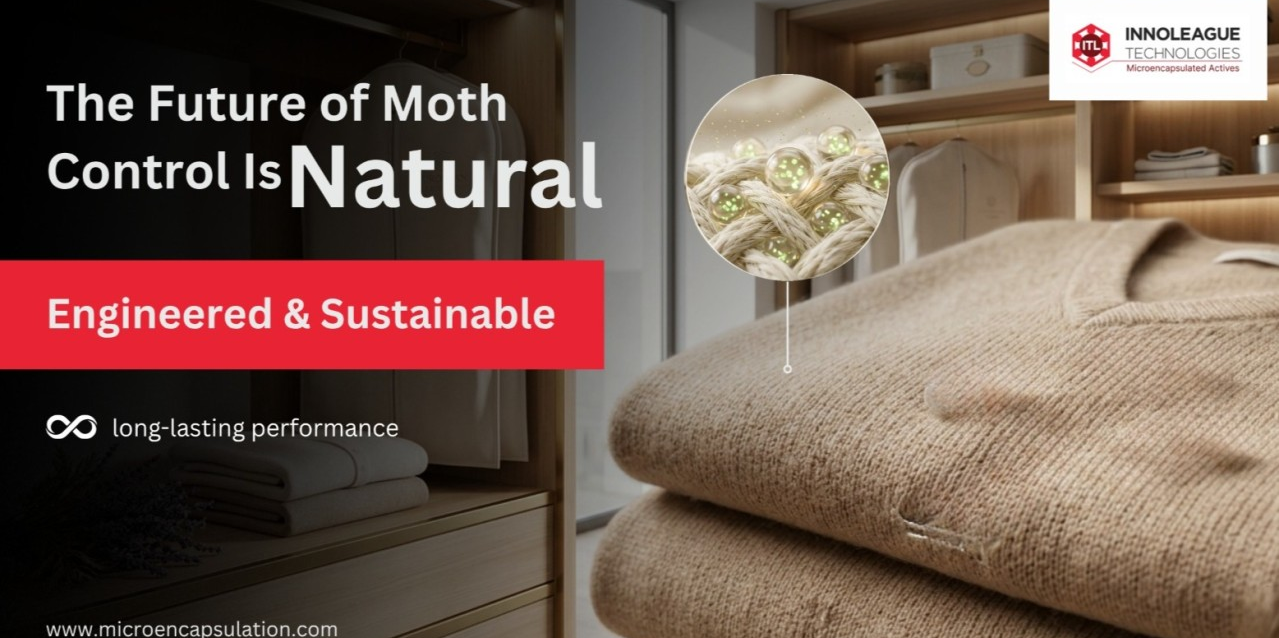
Efficiency, for decades, was measured by functional value rather than what gets left behind. However, times have changed, and now every product, every finish is weighed on its environmental impact. So now, today, effectiveness doesn’t only mean functionality and performance, but…
Debunking the Myths Around Herbal Moth Repellents
For a long time, herbal moth repellents have been labelled as conventional yet ineffective. Herbal products have been perceived for their aesthetic value and are seen as pleasant-smelling compounds. When it comes to protecting fabrics and garments, they rarely stand a…
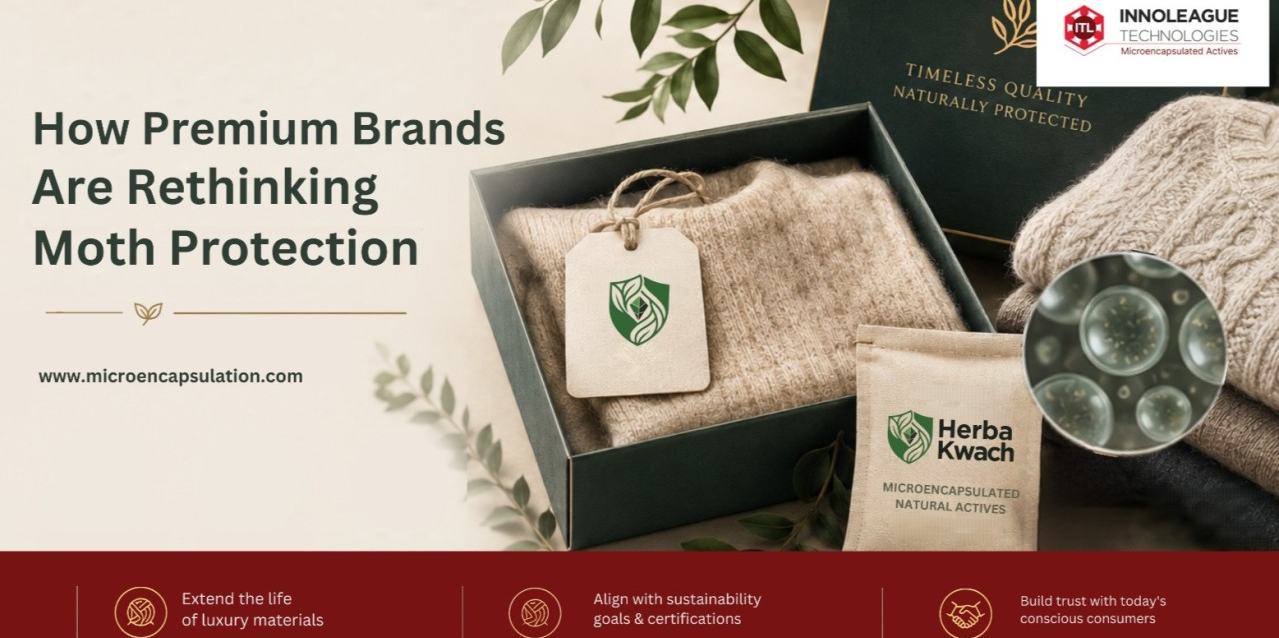
How Premium Brands Are Rethinking Moth Protection
Herbal extracts have been used to repel pests, though their effectiveness and potency have always been under scrutiny. The constituent of the herbal extract that imparts repellency is often volatile, reducing protection and the need for reapplication. To improve efficacy and…

Controlled Release: The Technology That Makes Herbal Repellents Work Smarter
Herbal extracts have been used to repel pests, though their effectiveness and potency have always been under scrutiny. The constituent of the herbal extract that imparts repellency is often volatile, reducing protection and the need for reapplication. To improve efficacy and…

Why Sustainable Textile Storage Needs Microencapsulated Moth Repellents
Natural fibers have long been used due to their characteristic properties, like the breathability of cotton, the insulation of wool, and the lustre of silk along with the durability and comfort. However natural fibers are prone to pest infestation which makes…

From Plant Extracts to Performance Products: Inside Herbal Microencapsulation
Sustainable manufacturing has been a recent trend in the textile industry, with increasing focus on plant-based products. Be it the paradigm shift towards natural dyeing or antibacterial finishes, plant-based extracts are ruling the market again. Bioactive components present in plant saps,…
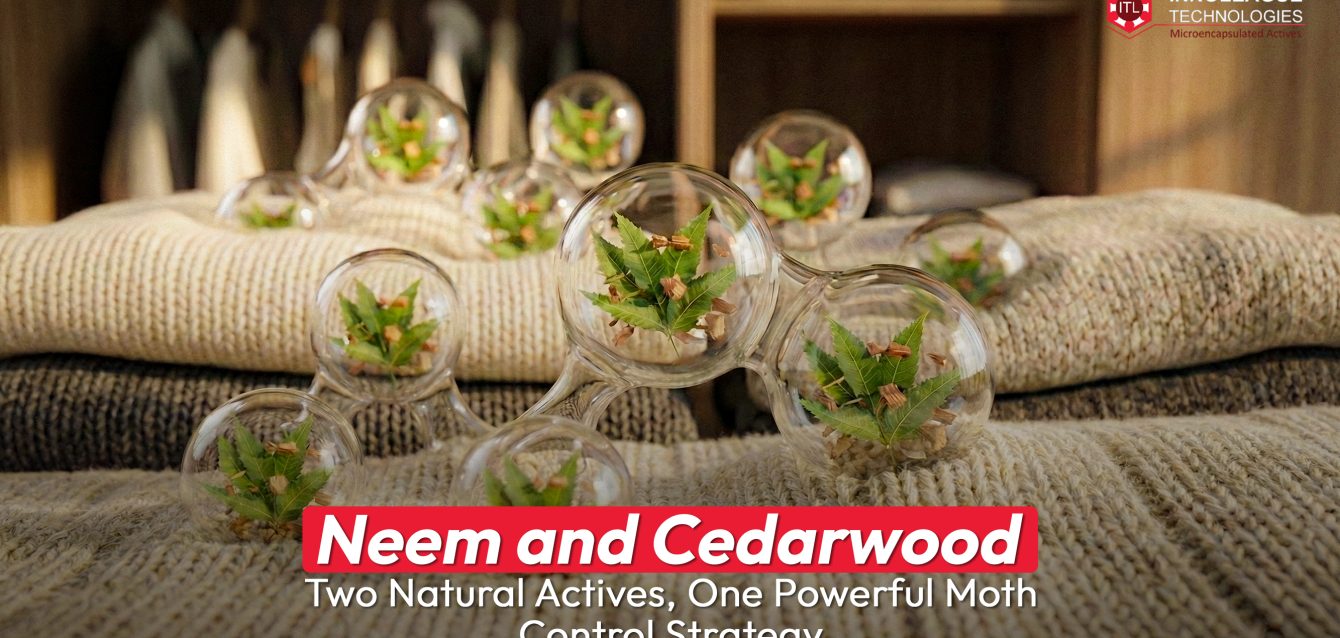
Neem and Cedarwood: Two Natural Actives, One Powerful Moth Control Strategy
In an era where sustainability and efficacy are highly valued, plant-based pest management techniques are gaining favour. Among these, neem and cedarwood essential oils stand out for their complementary insect-repellent characteristics, providing a natural, environmentally acceptable alternative to synthetic moth control…
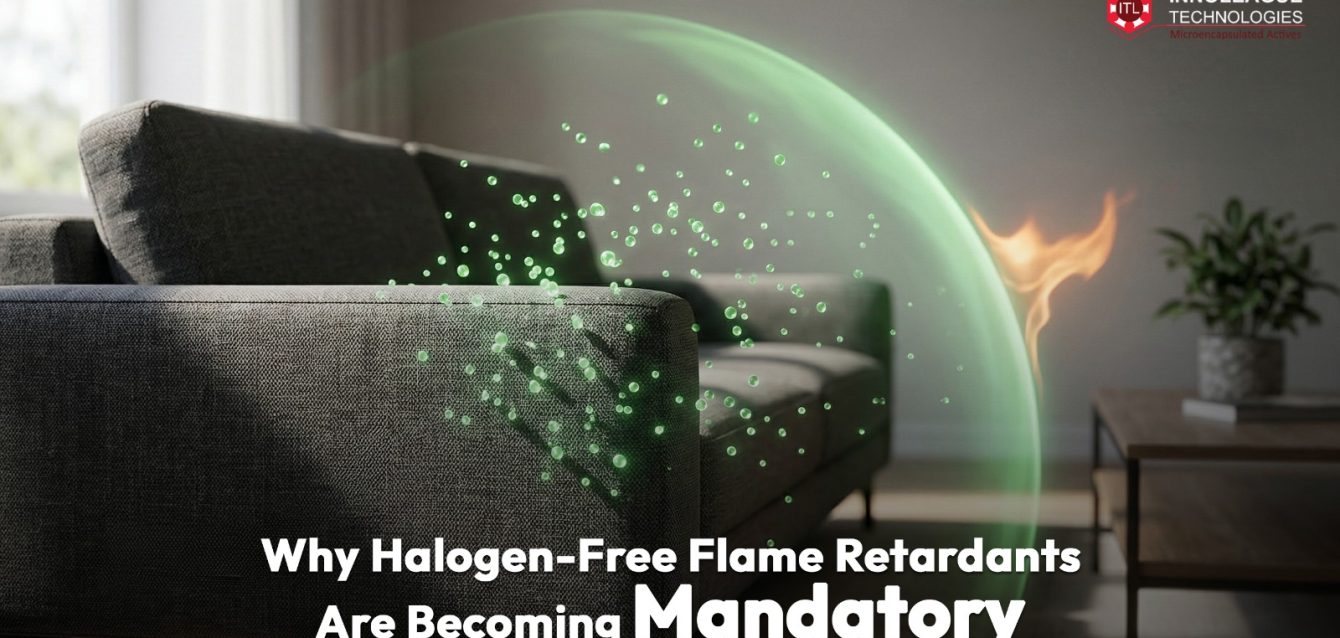
Why Halogen-Free Flame Retardants Are Becoming Mandatory (And How Microencapsulation Helps)
For many years, halogenated flame retardants containing bromine or chlorine were widely used to prevent fire damage in furniture, textiles, plastics, and electronics. While effective, these chemicals raised serious environmental and health concerns due to their persistence and potential toxicity. Today,…
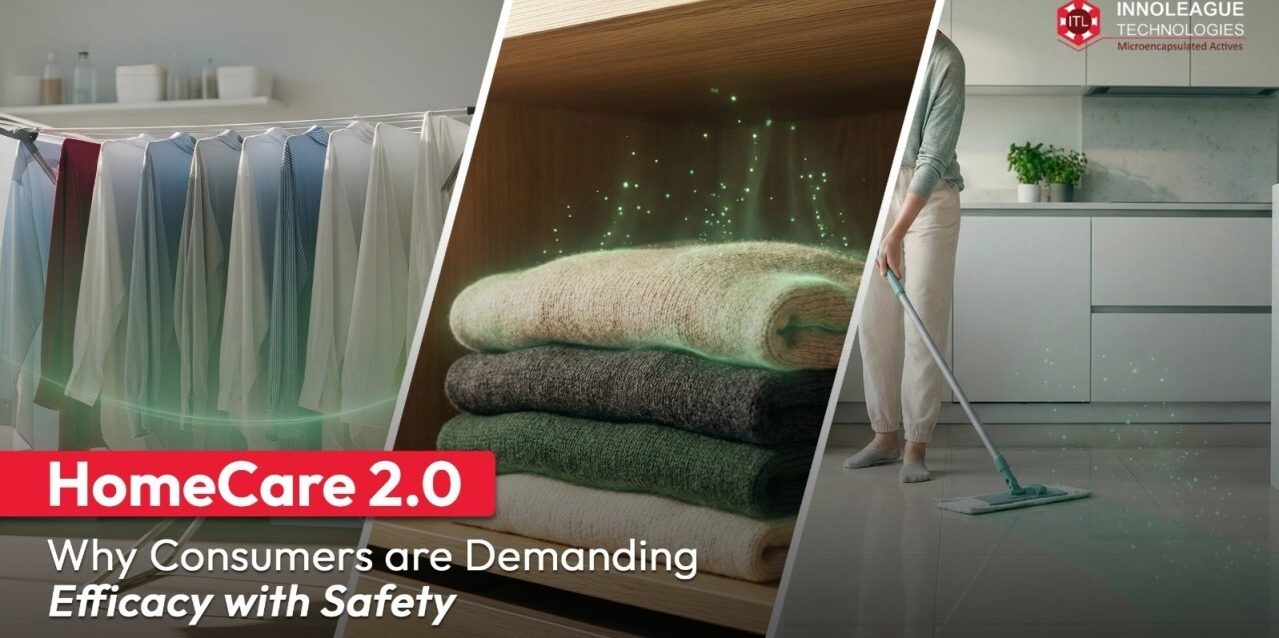
“HomeCare 2.0”: Why Consumers are Demanding Efficacy with Safety (And How Encapsulation Delivers Both)
The home care industry is changing fast. Today’s customers do not buy products just because they smell strong or come in bright packaging. Welcome to the new era of HomeCare 2.0. Modern consumers are informed and careful. They read ingredient labels….
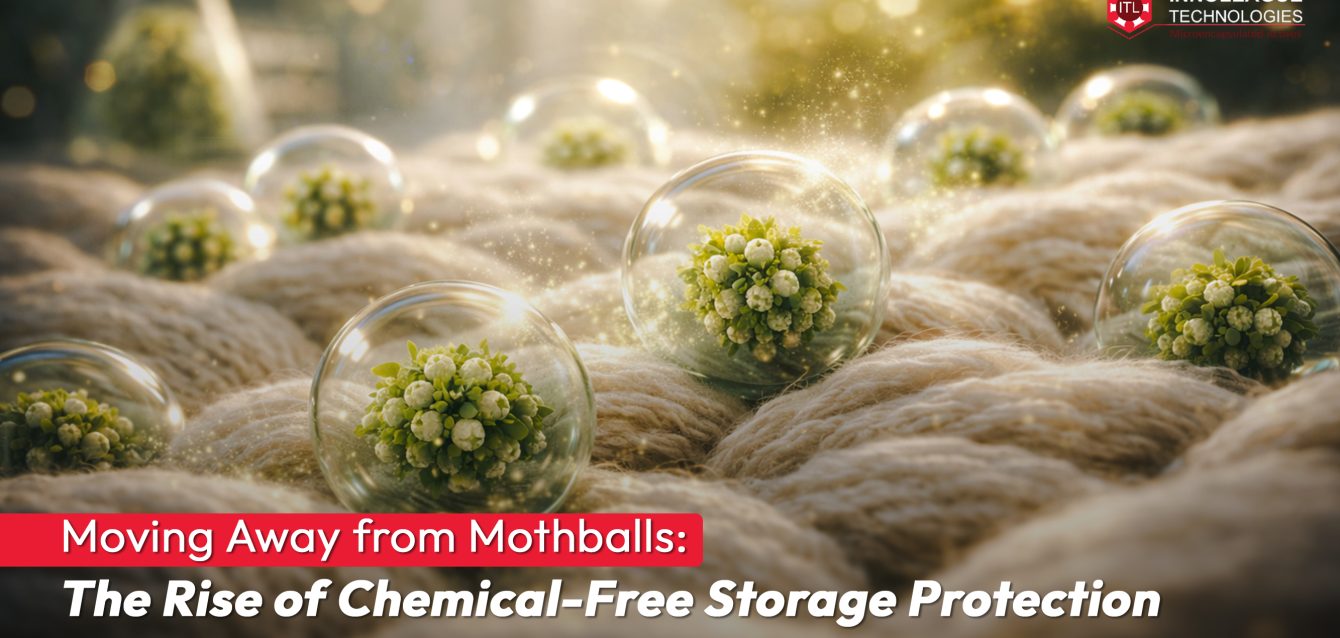
Moving Away from Mothballs: The Rise of Chemical-Free Storage Protection
For decades, traditional mothballs have been the go-to method for preserving textiles and stored goods against fabric pests. While effective, traditional mothballs use toxic compounds like naphthalene or paradichlorobenzene, which emit poisonous vapors into confined spaces. These vapors offer recognized threats…