


For decades, traditional mothballs have been the go-to method for preserving textiles and stored goods against fabric pests. While effective, traditional mothballs use toxic compounds like naphthalene or paradichlorobenzene, which emit poisonous vapors into confined spaces. These vapors offer recognized threats to human health, damage delicate materials, and contribute to indoor air quality issues, particularly in poorly ventilated storage locations.
As consumer awareness rises and regulatory frameworks tighten around dangerous volatile organic compounds (VOCs), manufacturers and end users are actively looking for non-toxic, sustainable storage protection options. This movement is more than just a preference; it reflects larger trends in safer chemistry, environmental stewardship, and thoughtful product design.
Herbal Repellents: A Natural Alternative with Limitations
Plant-derived essential oils, such as neem and cedarwood, have been widely researched for their pest-repelling abilities. These botanical actives are not only biodegradable and renewable, but they also effectively resist a variety of storage pests while leaving no chemical residue on fabrics. However, conventional herbal repellent formulas have long battled with one major issue: instability. Essential oils evaporate quickly, resulting in temporary protection and variable efficacy.
Microencapsulation: Scientific Innovation Enhances Natural Protection
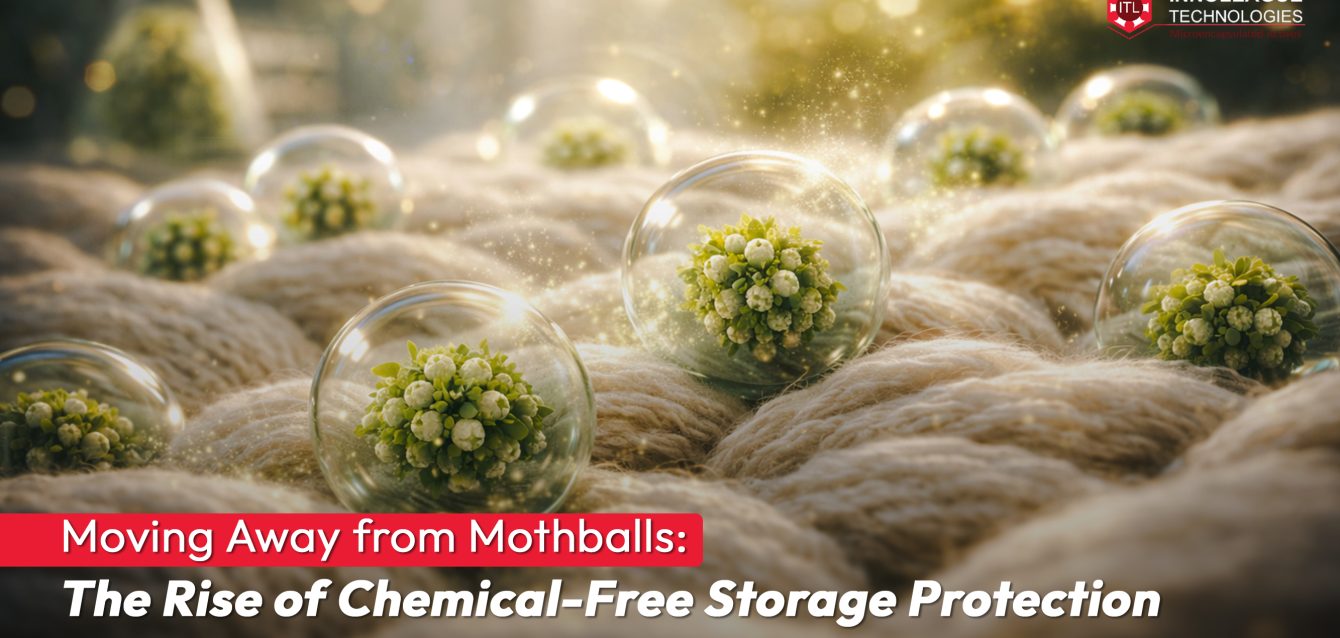
The solution lies in the creative use of microencapsulation technology, a tried-and-true delivery method that encases active substances in microscopic protective shells. Microencapsulation considerably increases the efficiency of herbal repellents by limiting the release rate of botanical actives, ensuring that they remain active for longer periods of time.
Benefits
Reduced direct contact with powerful essential oils
Compared to typical repellents, overwhelming scents are minimized
Protection of active chemicals against oxidation, heat, and light
High-performance, chemical-free storage protection
Visit https://www.microencapsulation.in/ for more information on controlled release systems and their benefits for various applications.
A Broader Shift Toward Responsible Design
The shift from poisonous mothballs to microencapsulated herbal repellents isn’t a fad. It mirrors a larger trend in product innovation that seeks to strike a balance between efficacy and safety, performance and sustainability, and consumer needs and environmental responsibility. For manufacturers, retailers, and homeowners alike, this evolution paves the way for storage protection solutions that are effective, safe, and consistent with modern norms of responsible chemistry.
#Microencapsulation#ChemicalFreeProtection#GreenChemistry#TextileInnovation#SustainableMaterials#ControlledRelease#HerbalRepellents#TechnicalTextiles